On October 23, 1956—a date that resonates deeply in Hungarian history—a spark ignited in the streets of Budapest. What began as a student-led demonstration for reform quickly escalated into a full-scale revolution against Soviet oppression. Amid the chaos of gunfire, barricades, and fervent cries for liberty, an unlikely hero emerged: not a political leader or a soldier, but a piece of music composed over a century earlier. Ludwig van Beethoven’s Egmont Overture echoed through the airwaves, becoming the sonic emblem of Hungary’s defiant stand. As we mark the anniversary today, October 23, 2025, this story reminds us how art can fuel the human spirit in the face of tyranny.
Revolutions often rally around symbols that capture the essence of their struggle—a torn flag, a poignant slogan, or an iconic image. In Hungary’s case, it was sound. As the nation tuned into radios for updates on the unfolding drama, Beethoven’s stirring composition filled the pauses, transforming from mere incidental music into a powerful anthem of resistance, sacrifice, and hope. This is the tale of how a 19th-century overture became inextricably linked to one of the Cold War’s most poignant uprisings, inspiring generations and underscoring the enduring power of music in times of crisis.
The shadows of oppression: Hungary before 1956
To fully appreciate the role of the Egmont Overture, we must delve into the grim context of mid-20th-century Hungary. Following the devastation of World War II, Hungary found itself under Soviet influence as part of the Eastern Bloc. The Red Army’s “liberation” from Nazi occupation swiftly morphed into a new form of subjugation. By 1949, a Stalinist regime under Mátyás Rákosi had solidified power, imposing a totalitarian system modeled after the Soviet Union.
Daily life was a tapestry of fear and hardship. The Államvédelmi Hatóság (ÁVH), Hungary’s secret police, operated a vast network of informants, turning neighbors against one another. Dissenters vanished into labor camps or faced execution. Economically, the country suffered under forced industrialization and collectivization of agriculture. Factories churned out goods for Soviet reparations, while farms were seized, leading to food shortages and widespread poverty. Intellectuals, artists, and religious leaders were silenced or co-opted, stifling cultural expression.
Yet, cracks in this iron curtain began to appear in 1956. In February, Soviet Premier Nikita Khrushchev delivered his infamous “Secret Speech” at the 20th Congress of the Communist Party, denouncing Stalin’s cult of personality and crimes. This “thaw” rippled through the satellite states, emboldening reformists. In Poland, workers’ protests in Poznań in June led to concessions, including the release of political prisoners and a shift toward more liberal policies under Władysław Gomułka.
Hungarians watched these events with growing optimism. Students, writers, and intellectuals formed discussion circles, petitioning for similar changes: the withdrawal of Soviet troops, free elections, press freedom, and the reinstatement of Imre Nagy, a reformist communist ousted in 1955 for his moderate views. Tensions simmered throughout the summer and early fall, setting the stage for explosion.
October 23 and the outbreak of revolution
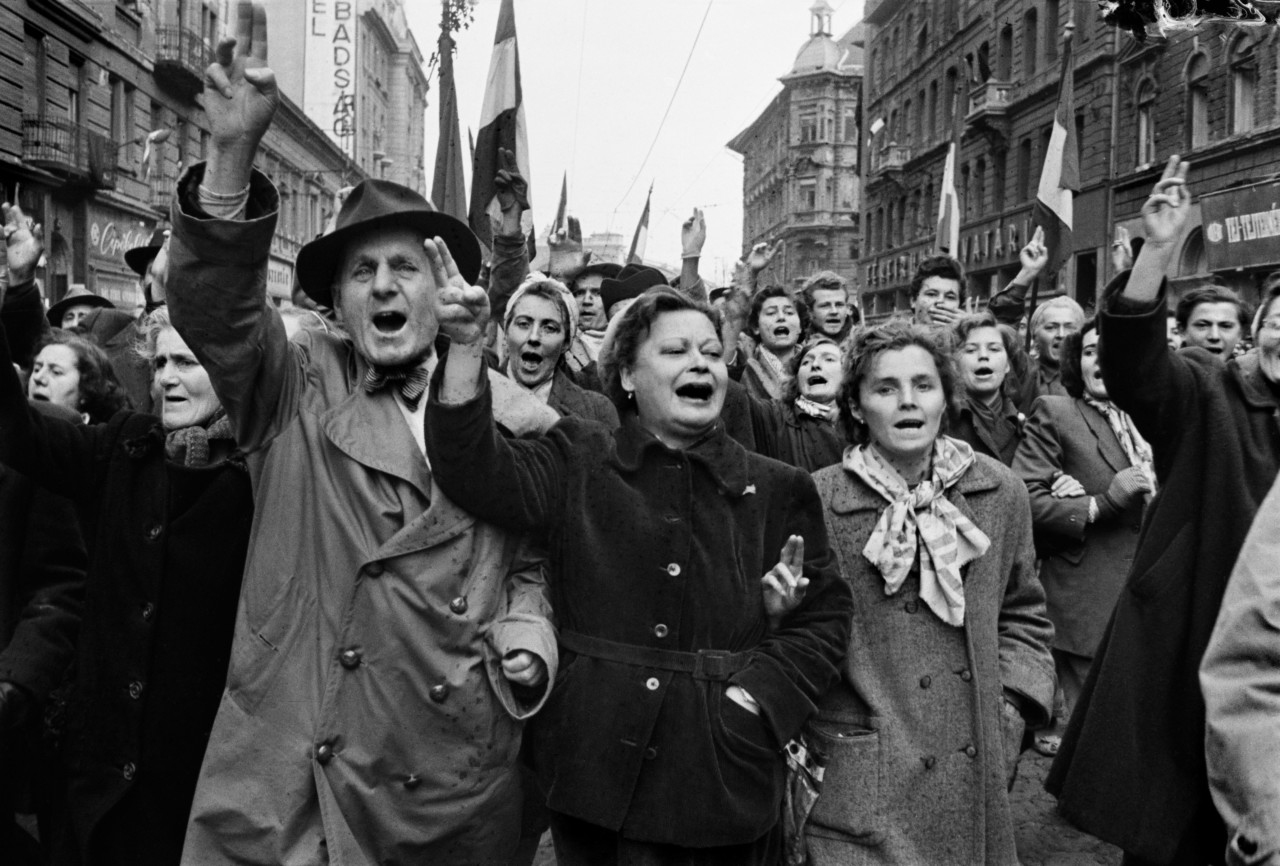
On October 23, 1956, solidarity with Poland fueled a peaceful demonstration in Budapest. Organized by university students, it drew an estimated 200,000 people—workers, intellectuals, and ordinary citizens—who marched through the city chanting slogans like “Russians go home!” and “Independence!” The crowd converged on Parliament Square, demanding reforms. In a symbolic act of defiance, protesters toppled a 25-foot bronze statue of Stalin, dragging its head through the streets as a trophy of liberation.
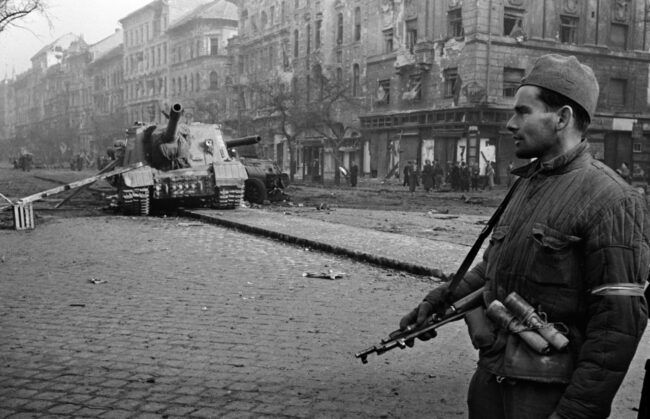
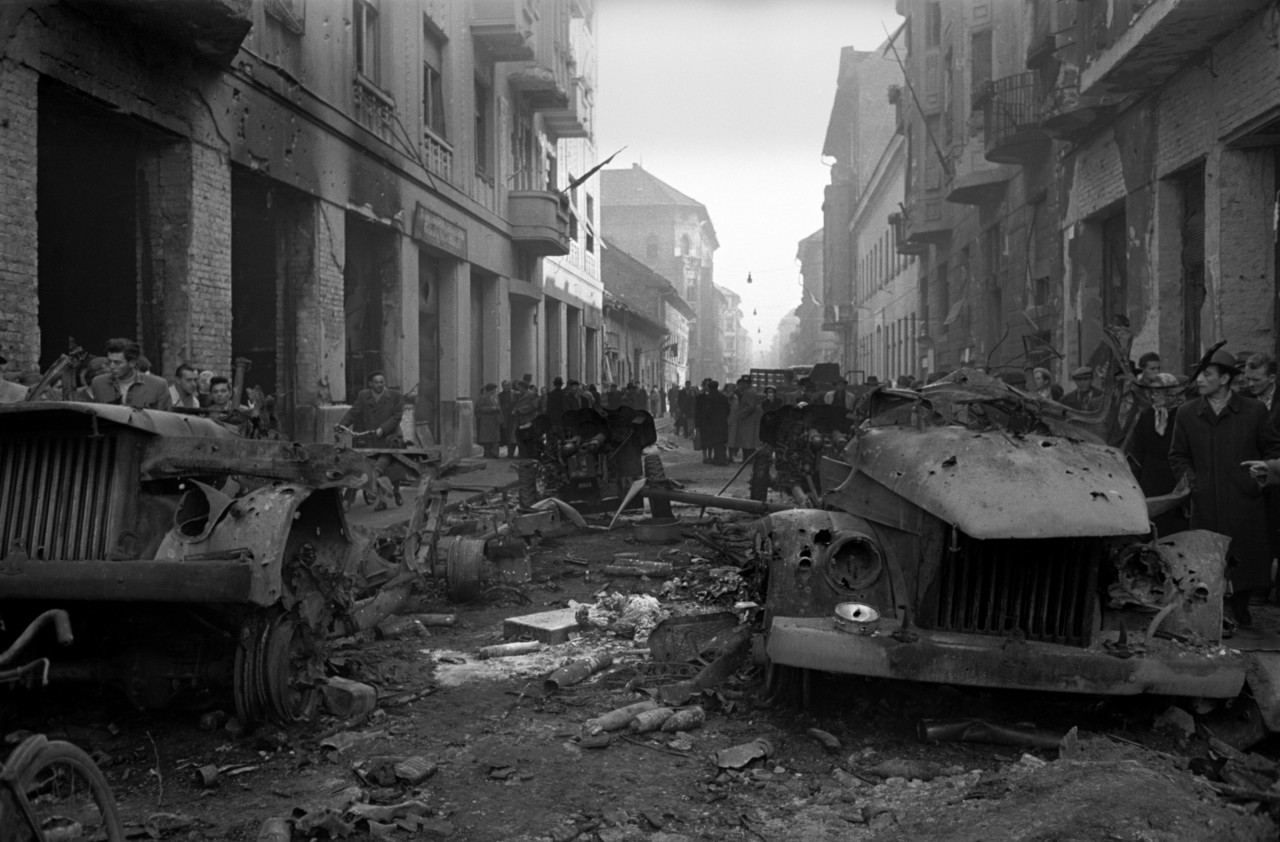
As evening fell, a large group gathered outside the headquarters of Magyar Rádió, the state-controlled broadcaster, intent on airing their 16-point manifesto nationwide. The ÁVH guards inside responded with gunfire, killing several unarmed demonstrators. This act of brutality transformed the protest into an armed uprising. Revolutionaries seized weapons from sympathetic soldiers and police, erecting barricades and clashing with security forces. By dawn on October 24, the revolution had spread to other cities, with workers’ councils forming and Soviet symbols being destroyed.
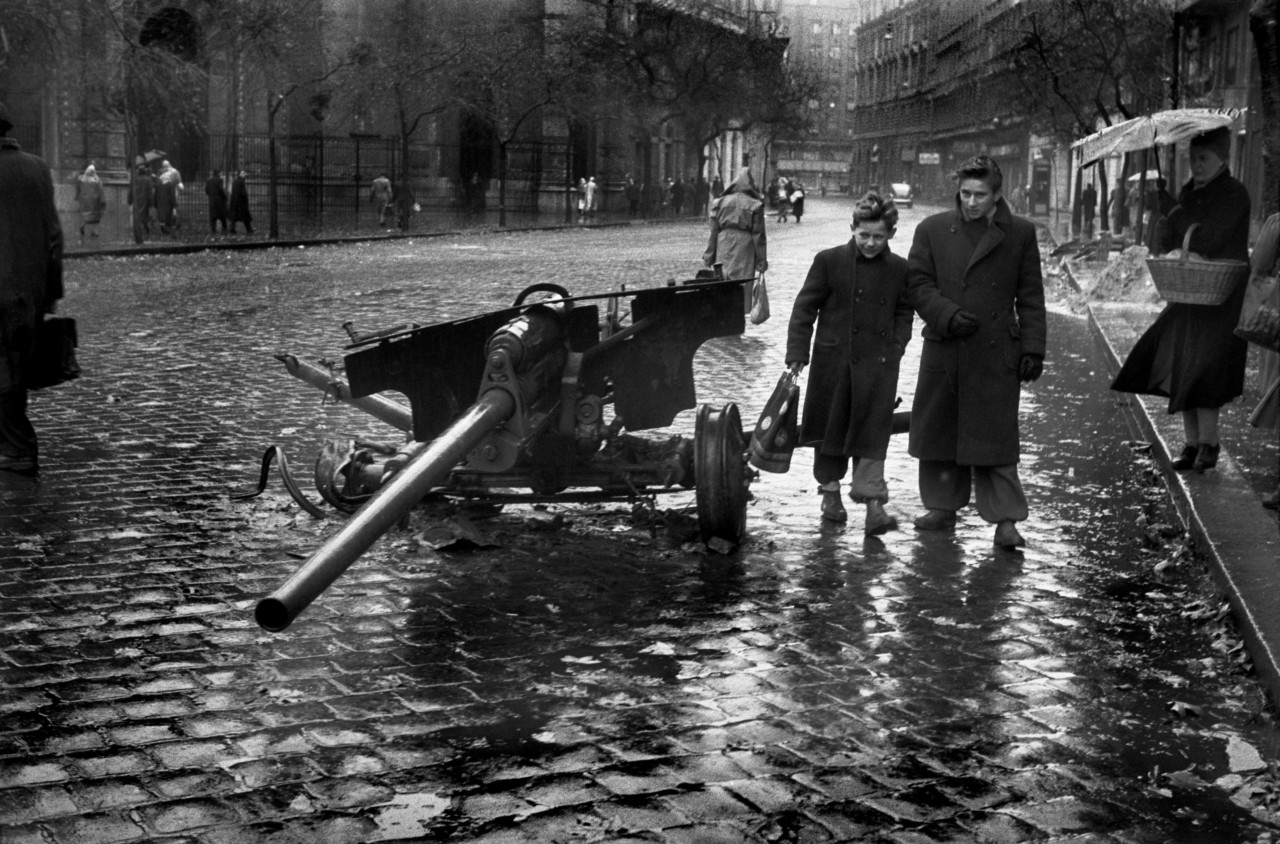
In the ensuing days, the government wavered. Imre Nagy was reinstated as prime minister on October 24, promising reforms. Soviet troops, initially deployed to quell the unrest, faced fierce resistance and began withdrawing from Budapest by October 28. For a brief, euphoric period, Hungary tasted freedom: political prisoners were released, multiparty systems discussed, and on November 1, Nagy declared Hungary’s neutrality and withdrawal from the Warsaw Pact.
Key facts from the revolution highlight its intensity. The uprising lasted from October 23 to November 4, marking one of the first major challenges to Soviet hegemony in Eastern Europe. Hungarian fighters, often armed with makeshift weapons like Molotov cocktails, inflicted significant losses on the invaders. Casualties were staggering: estimates suggest over 2,500 Hungarians killed and 20,000 wounded, with Soviet forces losing around 700 troops. The conflict prompted a refugee crisis, as nearly 200,000 Hungarians fled westward before borders sealed.
![A decapitated statue of Joseph Stalin's head on the streets of Budapest during the Hungarian Revolution of 1956. [900 × 563] : r/HistoryPorn](https://external-preview.redd.it/MMbQRVNcu8ykvab-bi8uVk4798uOPhoNELKF7613HNc.jpg?auto=webp&s=f6251ded8d67cab77f7191bf5080796294de4096)
The melody of defiance
Amid this turmoil, control of Magyar Rádió became pivotal. Revolutionaries stormed the building, turning it into a hub for broadcasting news, appeals, and morale-boosting content. With no prepared playlist for such an extraordinary moment, broadcasters rummaged through the station’s classical music library. By chance—or perhaps inspired intuition—they selected Beethoven’s Egmont Overture, Op. 84, playing it repeatedly between announcements.
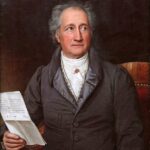
Composed in 1810 as incidental music for Johann Wolfgang von Goethe‘s play Egmont, the overture narrates the story of Lamoral, Count of Egmont, a 16th-century Dutch nobleman who defied Spanish tyranny under the Duke of Alba. Egmont’s execution sparks a broader rebellion, leading to Dutch independence. The parallels to Hungary’s plight were striking: the Soviets as the oppressive occupiers, Hungarians as the resilient Dutch seeking self-determination.
Musically, the overture is a dramatic arc. It opens with ominous, weighty chords in F minor, evoking the chains of oppression. A restless, ascending theme follows, depicting growing unrest and the clamor for freedom. Tension builds through turbulent passages, culminating in a poignant silence—symbolizing Egmont’s beheading—before erupting into the triumphant Siegessymphonie, a blazing fanfare in F major proclaiming victory through sacrifice.
Beethoven, a fervent advocate for liberty influenced by the French Revolution, infused his work with republican ideals. He famously scratched out the dedication of his Eroica Symphony to Napoleon upon learning of the latter’s imperial ambitions. In Egmont, Beethoven and Goethe convey that individual martyrdom ignites collective triumph—a message that resonated profoundly with Hungarians.
A soundtrack for hope… and heartbreak
Imagine the scene: families huddled around radios in dimly lit apartments, listening to fragmented reports of battles in Budapest’s streets. Nagy’s voice announces a new multiparty government and Soviet withdrawal. Then, the Egmont Overture swells, its dark opening mirroring the years of suffering, its agitated development capturing the frenzy of revolt, and its victorious close instilling belief in ultimate success. It wasn’t just filler; it was prophecy, articulating the revolutionaries’ resolve in ways speeches could not.
The music’s impact was immediate and lasting. Broadcast not only on Magyar Rádió but also reportedly by Radio Free Europe, it became the revolution’s unofficial hymn, boosting morale and unifying the nation. Personal accounts from survivors describe how the overture stirred emotions, turning fear into fortitude.
Tragically, the symphony’s promise of victory proved illusory in the short term. Alarmed by Hungary’s defection, the Soviet Union launched a massive counteroffensive on November 4, deploying 60,000 troops and over 4,000 tanks. Budapest was bombarded, and resistance pockets were systematically crushed by November 10. Nagy sought asylum in the Yugoslav embassy but was arrested and executed in 1958 after a show trial. Thousands faced imprisonment or death in the reprisals that followed.
The international community, preoccupied with the Suez Crisis, offered only verbal condemnation. The United Nations debated the issue but took no decisive action, highlighting the Cold War’s geopolitical realities.
Legacy and remembrance
The 1956 Hungarian Revolution, though suppressed, sowed seeds of doubt in the Soviet empire. It inspired subsequent challenges, such as the 1968 Prague Spring and the Solidarity movement in Poland, contributing to the Bloc’s eventual collapse in 1989.
Today, October 23 is a national holiday, commemorated with ceremonies, exhibitions, and broadcasts of the Egmont Overture. In documentaries and memorials, it evokes that moment of bravery. Beethoven’s music endures as a testament: tyranny may silence voices temporarily, but the human spirit plays on, unyielding and triumphant.